When I first stepped foot on Purdue’s campus, I was a seed riding the current. I had CS classes starting in a week, a dorm in the Purdue Honors College, and no idea what to do next.
Finding Fertile Ground
Those first few days of college were a real mix of emotions, from me saying goodbye to my family for really the first time ever, to meeting tons of new friends on my dorm floor, many of whom I am still in regular contact with. Classes started, I got into the flow of things, and my college experience officially began. I made more friends in my classes and started trying to really figure out who I was, but I felt like I was missing something. This feeling would lead me to start joining clubs to maybe fill that void. From Purdue Orbital, a rocketry organization, to SIGAPP, an app development club, to the Boiler Book Club, kinda self-explanatory, I bounced around looking for something to fill the gap, but nothing quite worked. I was finding great people at these orgs, but not my people.
During this phase I joined a ton of club Discord servers as a kind of “spray and pray” measure, and I ended up in the server of a club called Purdue Hackers. At the time Purdue Hackers was just another club in my very large roster, but something compelled me to take a look at what they, specifically, were doing. I explored their events page, passively scrolling through what they’d been up to. As I was looking at recaps of something called “Hack Night”, the photos seemed different, in a sense, compared to what I was used to. People looked to be spread out, not all working on a single task, just tinkering with what they were passionate about. This curious atmosphere spoke to me, so I decided to give it a try.
I didn’t have high expectations heading to my first Hack Night, even with the positive impression I got from the photos. Most club events I had been to felt so bland, uninspired, and procedural, even when projects started after the first few weeks; Purdue Hackers could easily fall into that pattern. Hack Night was certainly different in that it was hosted on Friday nights, a time slot no other clubs had dared occupy. I appreciated the moxie they had, so around 8 PM I headed to the Bechtel Center, the venue for Hack Night. I came up the stairs, and there was this guy, brightly dressed, who introduced himself as Matthew and welcomed me to Hack Night with a unique token: an acrylic badge bearing the “version number” of the event, Hack Night 2.0.
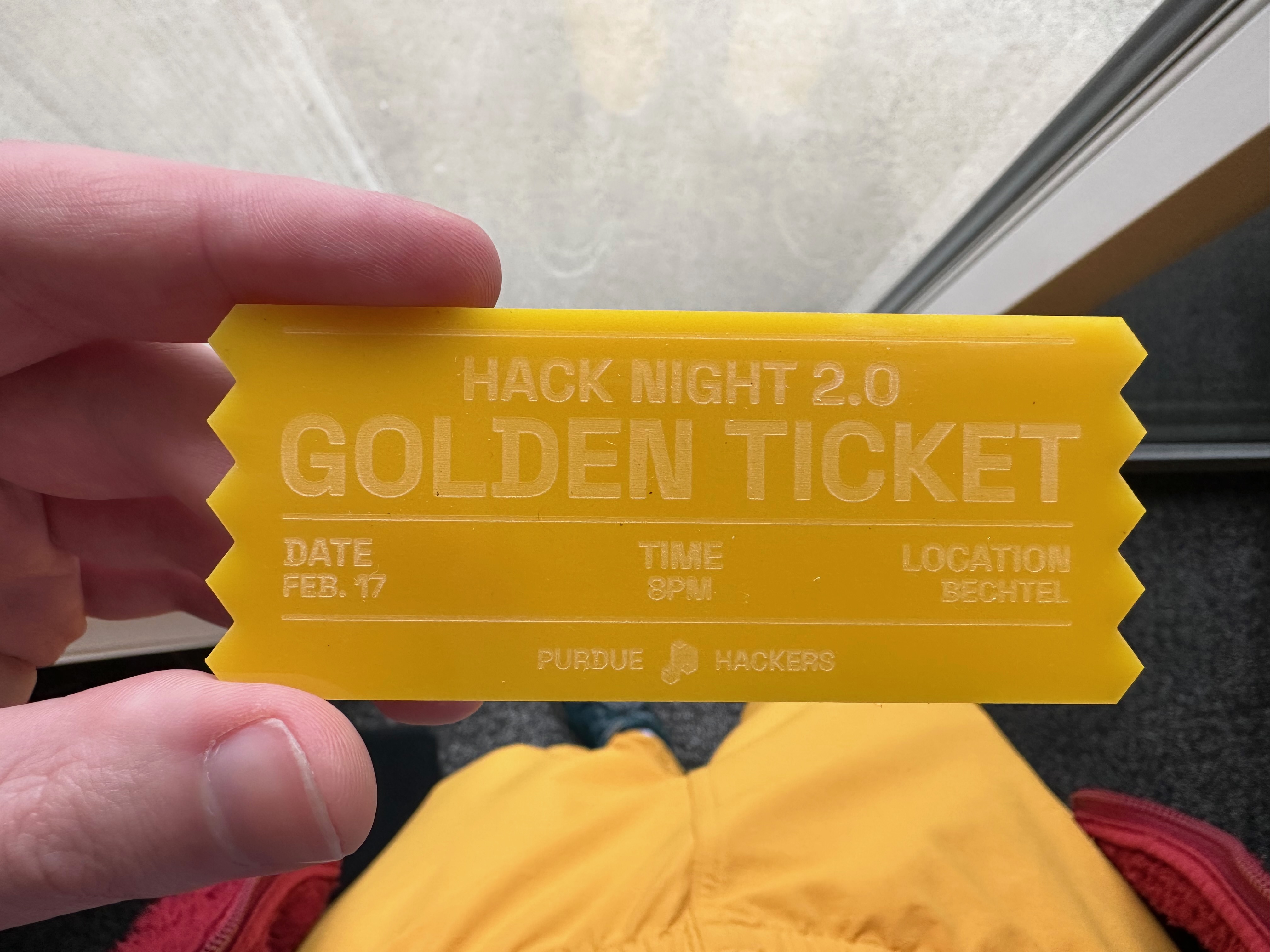
We chatted for a bit, then I went around and explored the space. I made some friends, and got to work hacking away on some personal projects I had per Matthew’s advice. I left pretty late in the night with a new feeling: maybe this was the place I needed to find. A small flame ignited inside me, one that would come to shape my personal and professional development to this day.
Versioning Hack Night
Versioning club events is, to my knowledge, a pretty unorthodox choice, but it worked incredibly well to force Purdue Hackers to develop into the club it is today. On the member side, each new version means every week brings a new badge and a reason to come back and see what’s changed, especially after a major bump (for example 2.0 → 3.0).
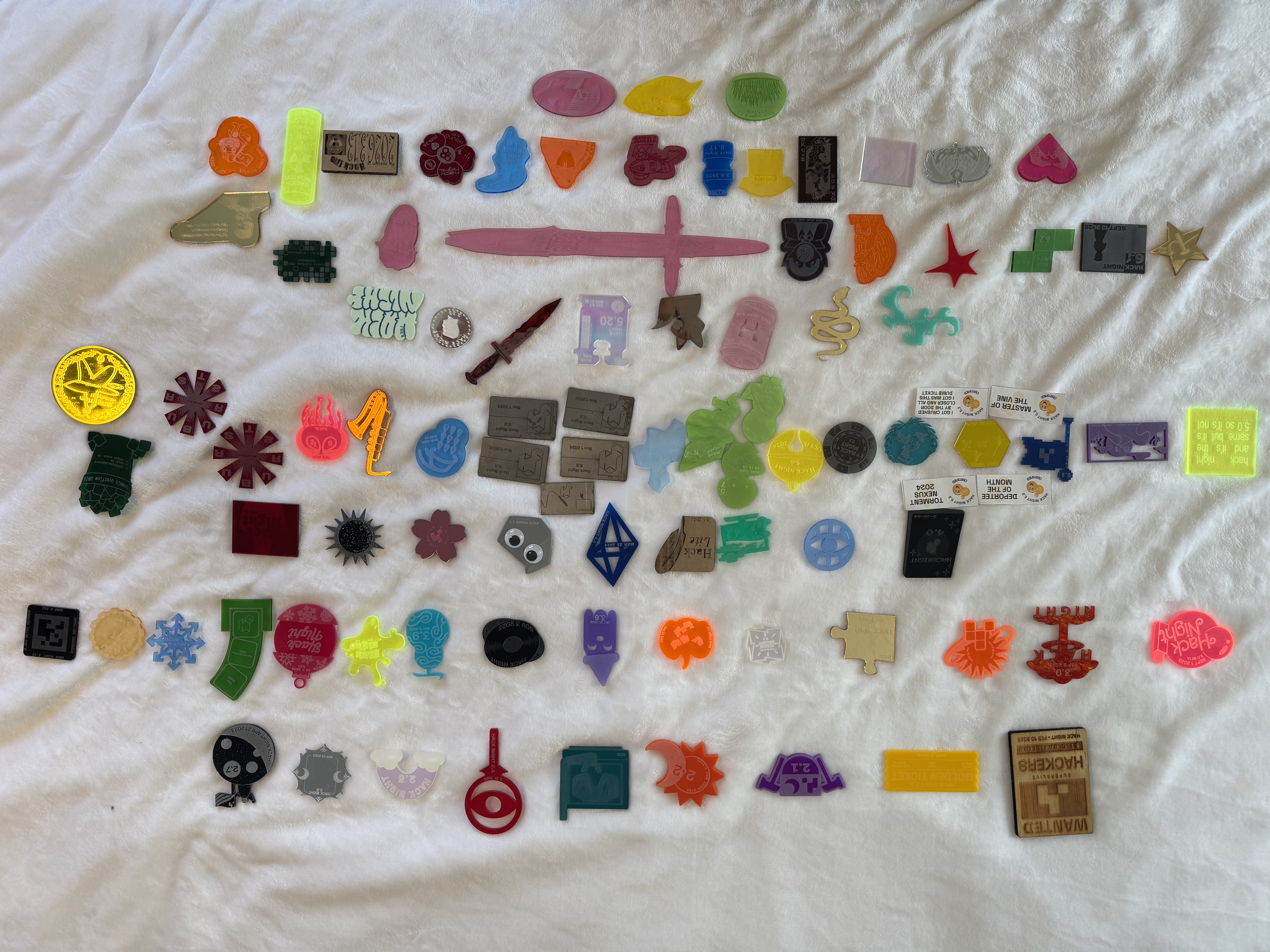
On the operations side, it keeps Organizers incentivized to find places to improve Hack Night. “What can we do for the next major version?” is a question I would come to hear repeatedly during my time at Purdue Hackers, and it’s one I would also eventually start asking myself. This drive to keep things exciting would eventually lead to larger events like the Show, discussed later.
Putting Down Roots
Next Friday, and the Friday after that, and pretty much every single Friday for the rest of the semester, I was at Hack Night. I met so many awesome people, such as Julian and Hazel, both of whom I’d become great friends with and collaborate with regularly. The density of awesome people at Hack Night and in the Purdue Hackers discord completely blew me away. Hack Night quickly became an essential part of my routine and my primary social event of the week.
After a great first few weeks, we started to think about how Purdue Hackers was representing itself on campus: flags, updates to Lightning Time, and, maybe, a large thing that shows that Hack Night is happening. This “thing” would soon turn into the Sign. I already wrote about my experience building the Sign, but I haven’t spoken as much about how it changed my experience during Hack Nights. The Sign became a sort of community totem, with many Hack Night attendees dropping in to see what progress had been made since last week. Some would ask to help with gluing stuff together, others would ask what I was debugging on the microcontroller at any given moment, and yet more would just keep a safe distance and observe while I was buzzing around like a worker bee.
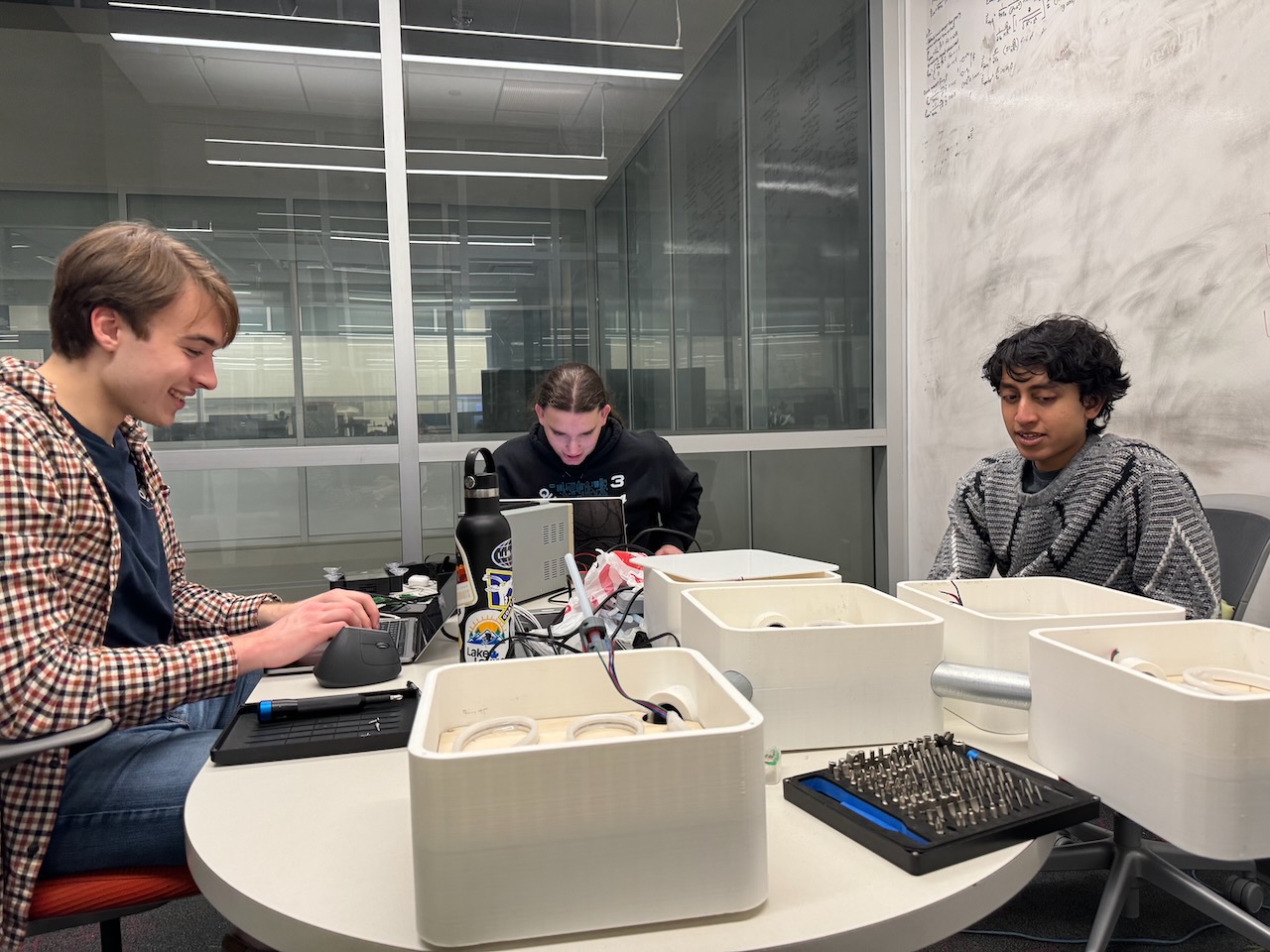
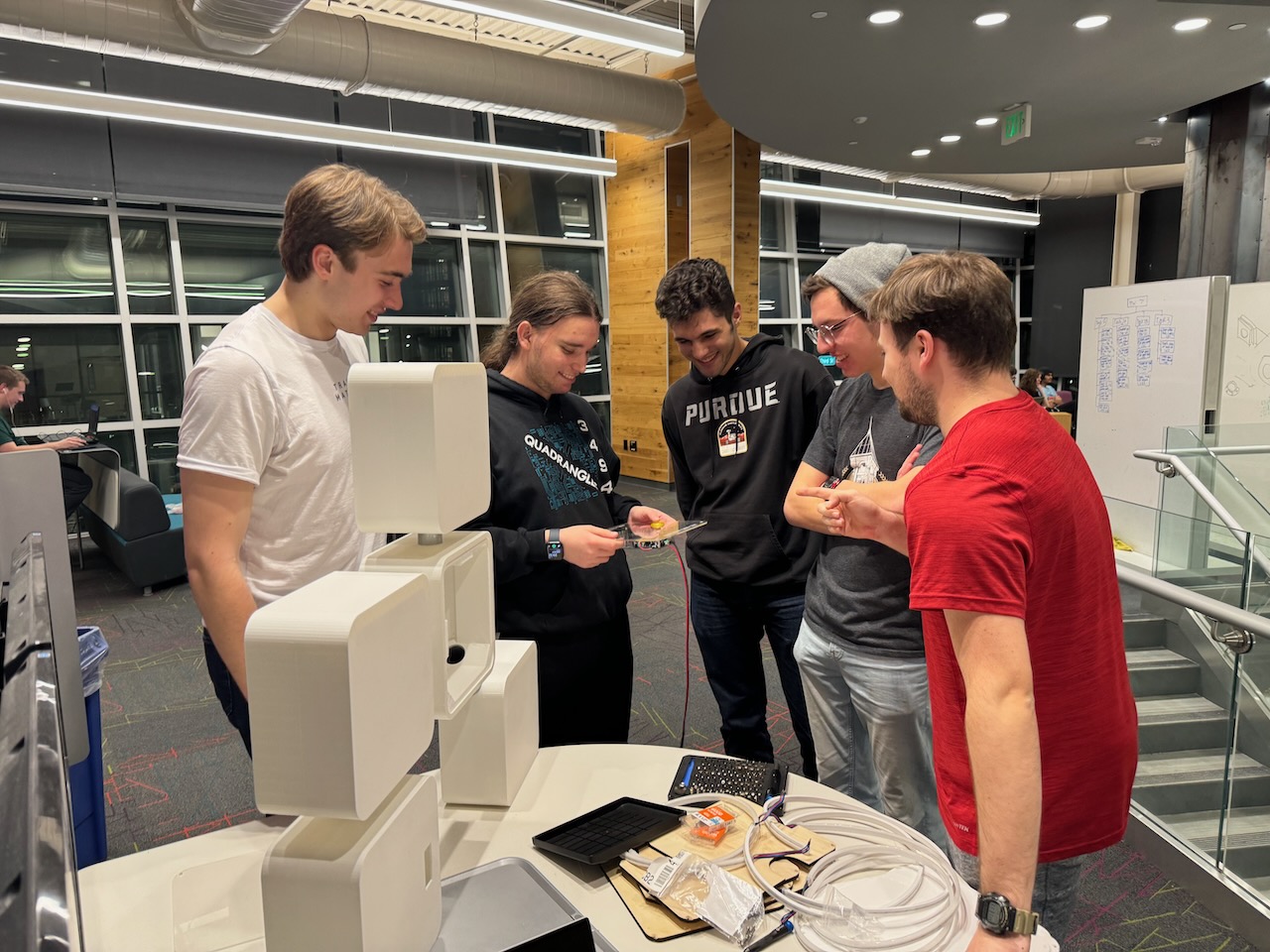
With my continued involvement in Purdue Hackers, I decided it was time to branch out — not out of the club, but into its operations. I was eventually inducted into the role of Hack Knight, a role specifically for people who help with Hack Night operations. After proving my dedication there, I was promoted to Hack Bishop, a general helper for Purdue Hackers. I was starting to synchronize with the pulse of the club, but I didn’t actually have any responsibilities. I could come and go as I pleased, and while in some respects that was nice, I wanted to make real contributions to the club. The way to do this was to become an Organizer, but there was a specific requirement to ascend to that role: you had to own an official project. I was blocked because of this for a while; the Sign was a great project, but it wasn’t an Organizer project at that point.
Branching Out
My opportunity came when Matthew started working on Passports, specifically when he decided to put NFC chips in each one. I was immediately nerd sniped and wanted to contribute to the authentication system for Passports, later named ID. This would become one of my babies along with the Sign. During my time building ID, I was promoted to an Organizer and started having deadlines on my milestones. This was a big change of pace for me, as I never had such complete ownership over a project that other people would depend on before. After finding my footing rooting through OAuth spec documentation, I shipped V1 of ID and my transformation into the Organizer I am today was complete.
Purdue Hackers never sleeps, and Hack Night continued on. Sessions, hour-long talks at every Hack Night, would teach me something interesting each week, giving me a break from the unending work of building the Sign and fixing bugs in the rapidly expanding web of infrastructure I was creating. Sessions covered everything from music production to research topics to drawing “creaturas”, simple drawings that would eventually be incorporated as a primary part of our brand.
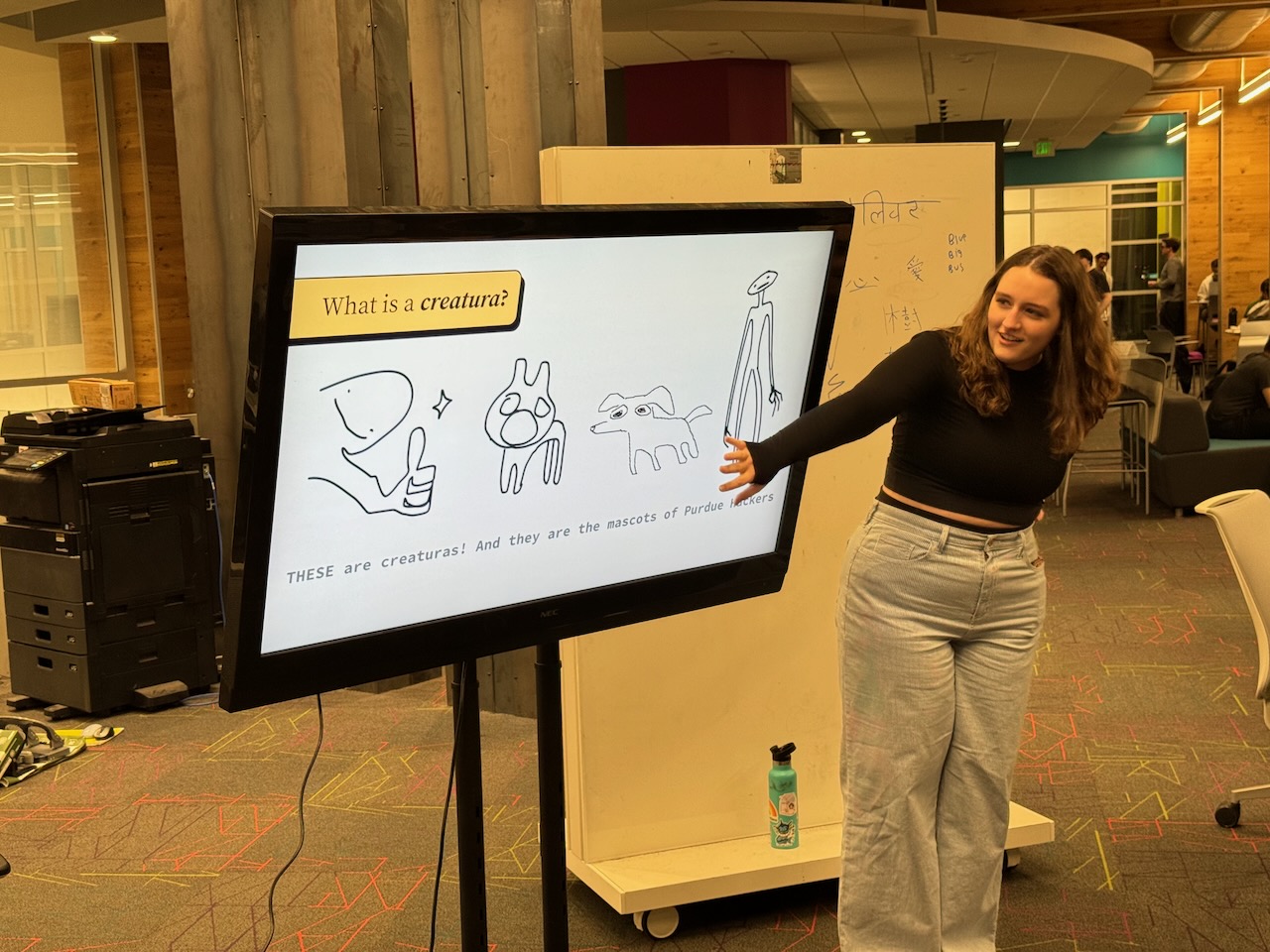
We started to become more ambitious with our theming, especially with Hack Night 5.3, a full augmented reality game that had hackers go around the Bechtel Center looking for clues to solve a mystery; a succesful completion of our game would grant a receipt to get a cookie. Putting together such a fun project as a Hack Night experience (where I even recorded voice lines for one of the interactions) really made me fall in love with both the people and the soul of Purdue Hackers. I was also promoted to Engineering Division Lead, a new role created to help manage the growing complexity of Purdue Hackers’ operations. It was the first time I was actively managing a group of engineers, and I learned a lot about keeping a team on track and helping people find passion and purpose in their work.
Soon after, I finally shipped an MVP of the Sign. A wave of relief washed over me, and contributing something so close to my heart back to Purdue Hackers made me even more devoted than I already was. Good thing, too, because our first Show was right around the corner.
Budding
Purdue Hackers had been helping students make really cool creative-technical projects for a while, but most were still stuck within the bounds of Hack Night and a few low-traffic external channels. To remedy this, we decided to create the Show, a demo day at the end of the fall semester where students could show off their work to the wider population at Purdue. I was on the team organizing the Show, soon to be called BURST ✷.
In addition to helping organize BURST ✷, I was also going to install the Sign as an exhibit. Building the show alongside putting the finishing touches on the Sign (which resisted all attempts to make it work) was a test of my resolve; nevertheless, after many days and nights spent working with designers and project owners to bring BURST ✷ to reality — literally working on the Sign in the venue until the day of — it was done!
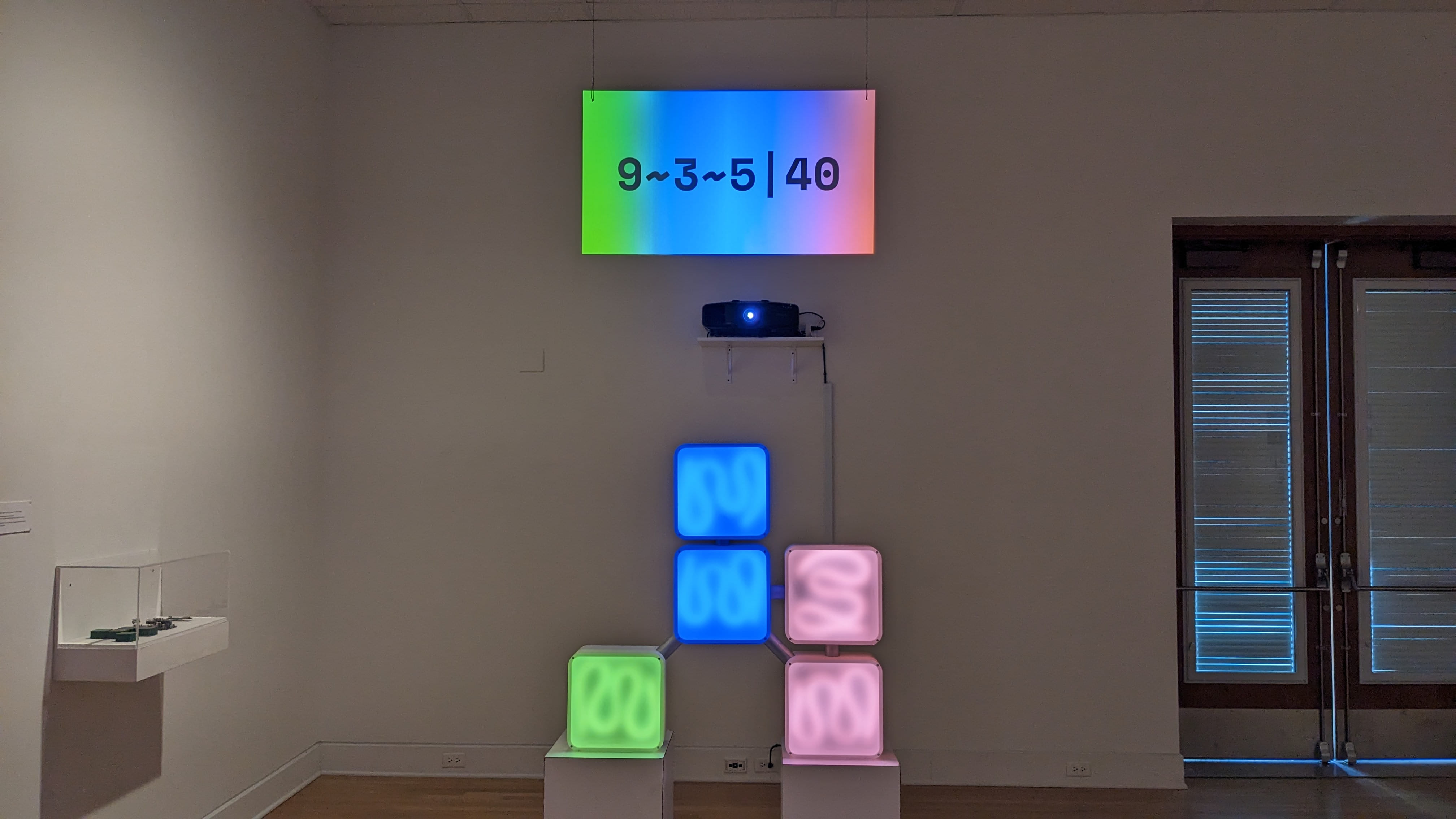
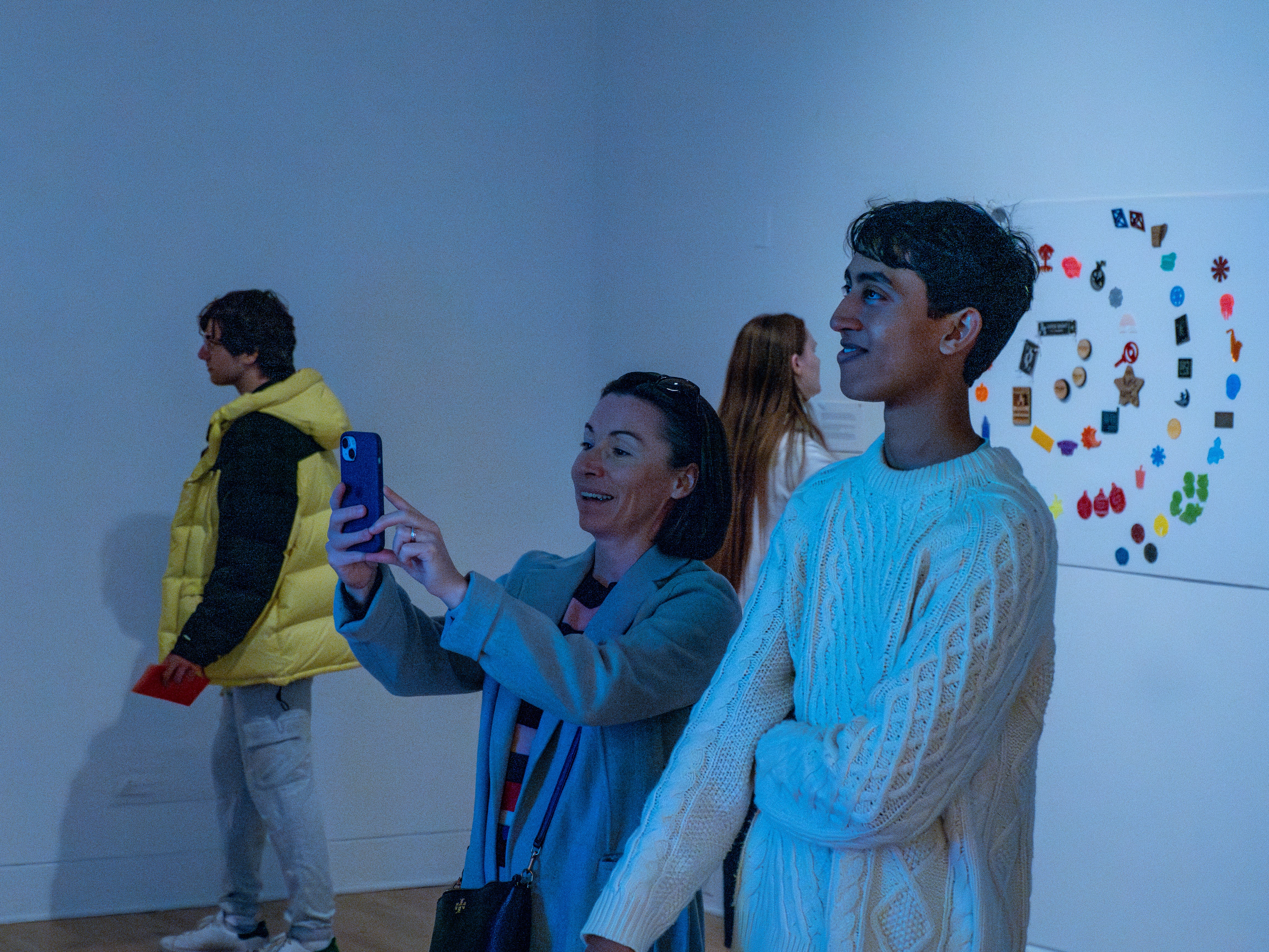
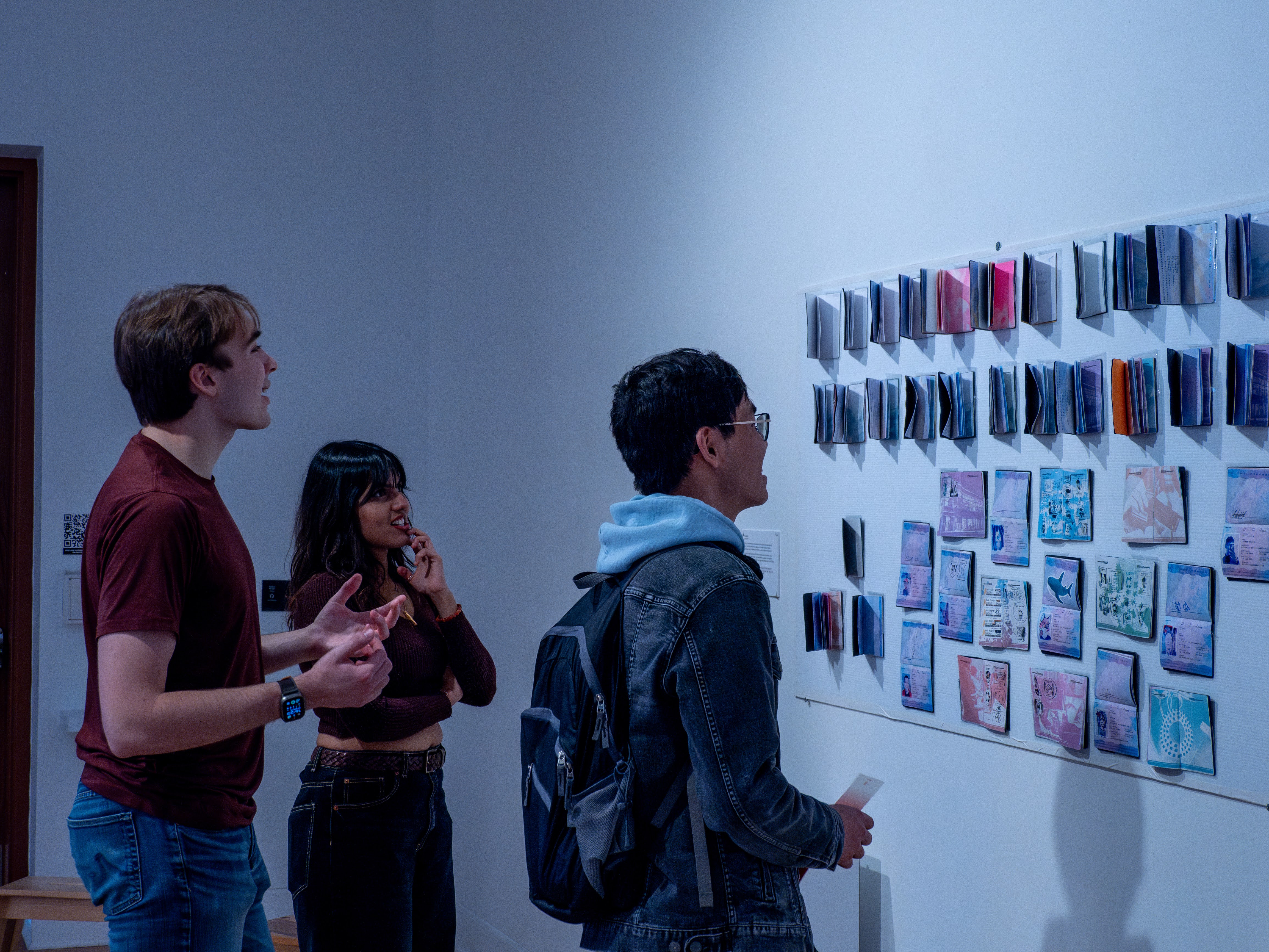
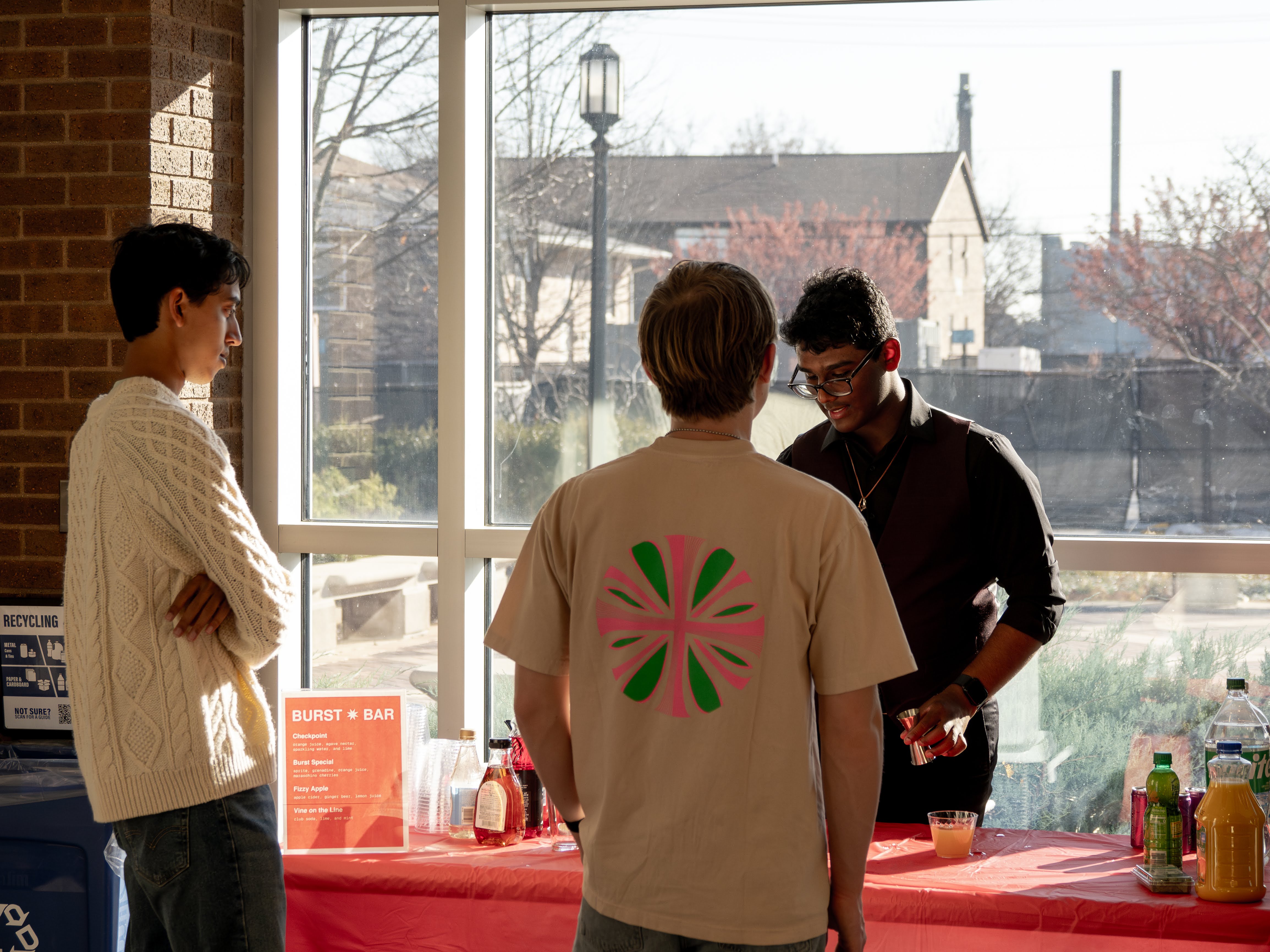
BURST ✷ was a massive accomplishment both for Purdue Hackers as an organization and myself individually. The event went incredibly well, with hundreds of people, including the Dean of Computer Science, visiting the gallery. Said Dean would soon request another Sign be made for permanent installation in the Data Science and AI (DSAI) building.
Interlude
I’ve already written at length on my time abroad, but I never mentioned Purdue Hackers in that post, which remained near the top of my mind even while I was thousands of miles away. I was working on projects such as ID, collaborating with Hazel on design for the DSAI Sign, and just keeping up with the happenings of the club; it was honestly a bit of an addiction at times!
Coming back to a slower life in Virginia after my time abroad was certainly an adjustment, but Purdue Hackers would keep me busy throughout the summer. I was involved in our SIGHORSE journal organizing logistics and other back office stuff, having fun making such an interesting project come to fruition. I’ve read SIGHORSE cover-to-cover, and highly recommend you do the same.
San Francisco
So far Purdue Hackers had been a really fun club, but it hadn’t done much of anything for me outside of Purdue — this would soon change. Over the years I was in Purdue Hackers, I had become great friends with Matthew, to the degree he invited me along with him on trips. First was to New York City, then to San Francisco twice. I absolutely loved San Francisco and plan to move there very soon, and Purdue Hackers is what gave me a reason to go in the first place.
One day as our group was leaving Stable Cafe, a popular spot in SF, my friend Lachlan spotted one of their friends, Liz. They got to chatting, and as I was listening they were increasingly drifting towards maker-y stuff, so I decided to jump in. I talked about a concept I had been working on called Beacons.
Beacons
To understand Beacons, one must understand the first thirty seconds of a new attendee’s Hack Night experience. Someone walks up the stairs, just as I had three years ago, and the test begins — specifically, who ends up greeting them:
- Friends: Happens occasionally, the newcomer is immediately brought to a certain corner of Hack Night. Leads to a consistent, but likely uninspired, Hack Night attendee.
- An Organizer: The best case scenario. Someone who is already following the Host Mindset gives the newcomer a jumpstart into what Hack Night is and how they can use it to its full potential. This is the path I took.
- No one: Unfortunately somewhat common due to Organizers being busy or just plain inattentive. The newcomer walks in, maybe takes a badge, looks around for a few seconds, then leaves.
I was explicitly targeting that last category of attendees, who were never given the warm introduction to Hack Night they deserved. Of course the perfect solution would be to always have an Organizer there to welcome everyone. In practice, we have a limited number of Organizers, none of whom want to stare at an entrance for six hours straight. Instead, I took a technical approach to the problem: provide a way for newcomers to easily see what’s going on at Hack Night, and give a way to make the warm introduction happen on their own.
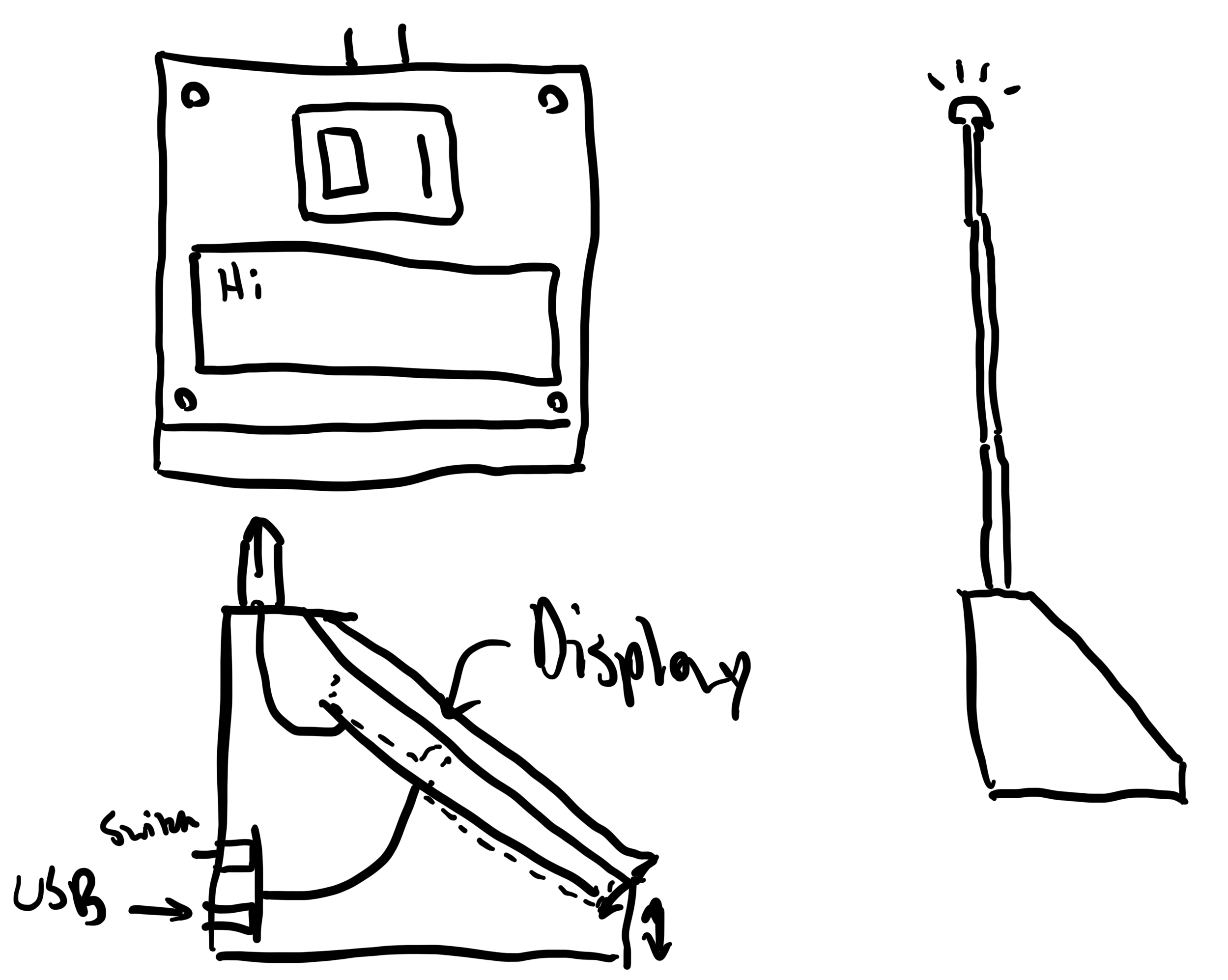
Beacons relies on the inherent sociability of hackers to push them to self-select as “introducers”. Someone who knows what they’re building and wants to share it with everyone can come to Hack Night, take a Beacon, and bring it to wherever they’re sitting. They go through a simple setup process: sign in, select or create a project, and set some flags as to what the project is about and what they’re looking for (collaboration, show-and-tell, etc). Newcomers can come up the stairs, scan a big QR code, and see all active projects. If any of them catch their eye, they tell the corresponding Beacon to light up its extendable rod. The project owner is implicitly notified that someone is trying to find them, and the newcomer can easily locate the Beacon.
After I pitched Beacons to Liz, who I learned was starting a company named Era Labs, she was excited by the project and we exchanged numbers. Not too long after, she invited me to join the Era Fellowship Program’s inaugural cohort. The old me never would’ve been able to just jump in and pitch like I did, and I credit Purdue Hackers and the numerous checkpoints I presented with getting me to where I was.
Full Bloom
After coming back from San Francisco, I started really getting into the weeds of designing Beacons. With the support of Era, I was able to accelerate my progress way faster than otherwise possible.
My process was different than anything else I’d built, because now I was designing more for potential mass-production than a single showpiece. I spent time considering manufacturability, parts selection, and how to make sure Beacons were easy to use.
Beacons was also my first introduction to electromagnetic design, where I had to implement both an NFC and a UWB antenna. I had to deal with way more signal integrity bullshit than I thought I’d need to, but it was still an interesting learning experience and taught me a lot about how all of that stuff works, to the point where I am comfortable with the core concepts now.
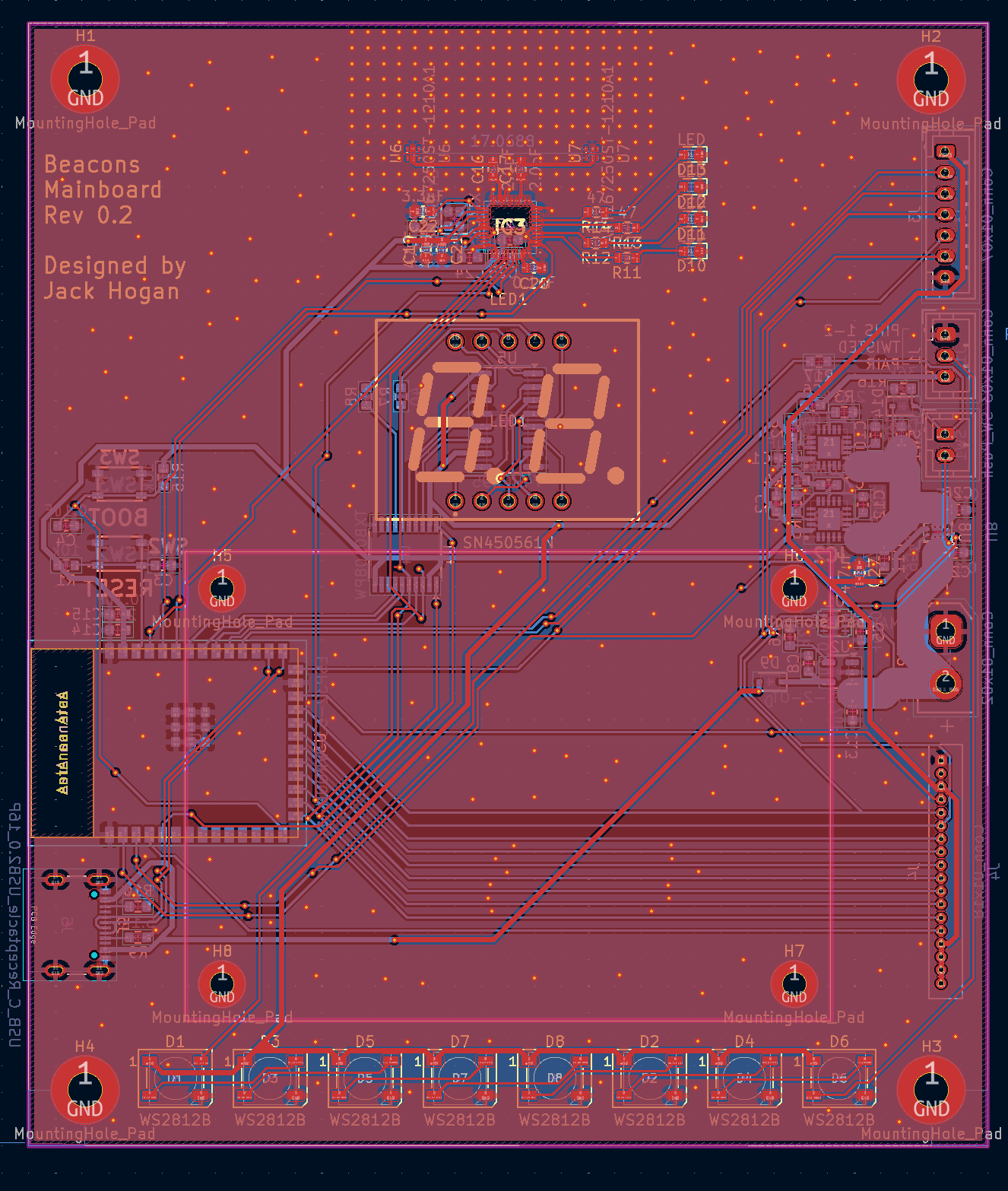
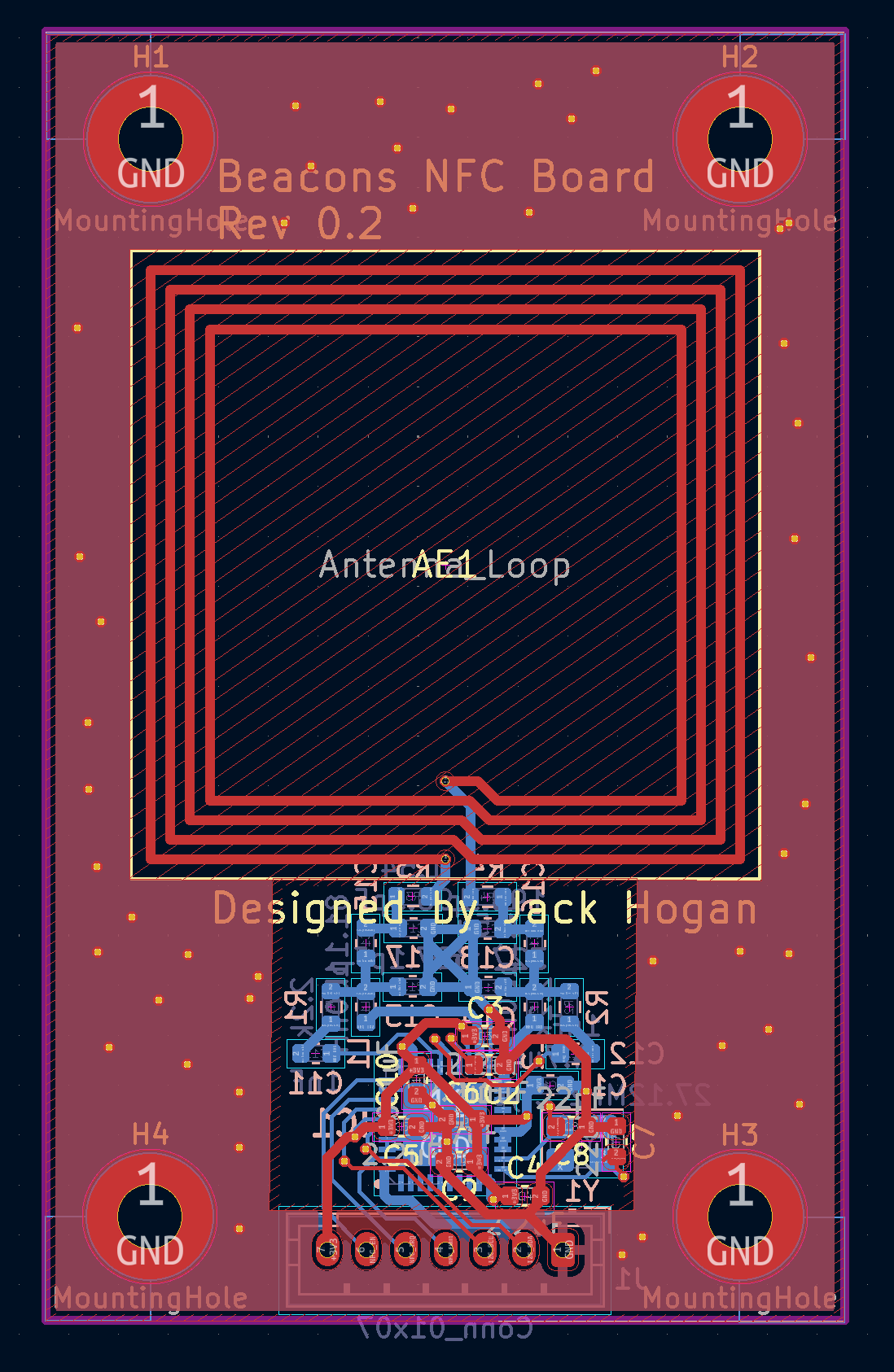
My PCB was way more advanced than anything I’d ever made before. Multiple trace widths, special grounding areas, impedance matching, and more. All of these are relatively mundane for an electrical engineer, but I was having to understand and design with them for the first time with minimal resources or guidance. I’m really proud of how it turned out and excited to move on to even more complicated PCBs in the future.
With Beacons I really came into my own, executing on a real product development lifecycle on a tight schedule. Thank you to Liz, Alex, and everyone else at Era, for providing a ton of support to me to explore Beacons! Purdue Hackers still considers the design goals of Beacons when thinking about how to continuously improve the social dynamics of Hack Night, so it was money well spent.
spill ≋
It was now fall 2025, and that meant it was time for another Show! This time the theme was coffee shop, and the Show would eventually be titled spill ≋. Similar to BURST ✷, I was doing both event planning and bringing my own item, a prototype of Beacons, which I completed within hours of the event starting. After months of prep work and tons of marketing, spill ≋ started.
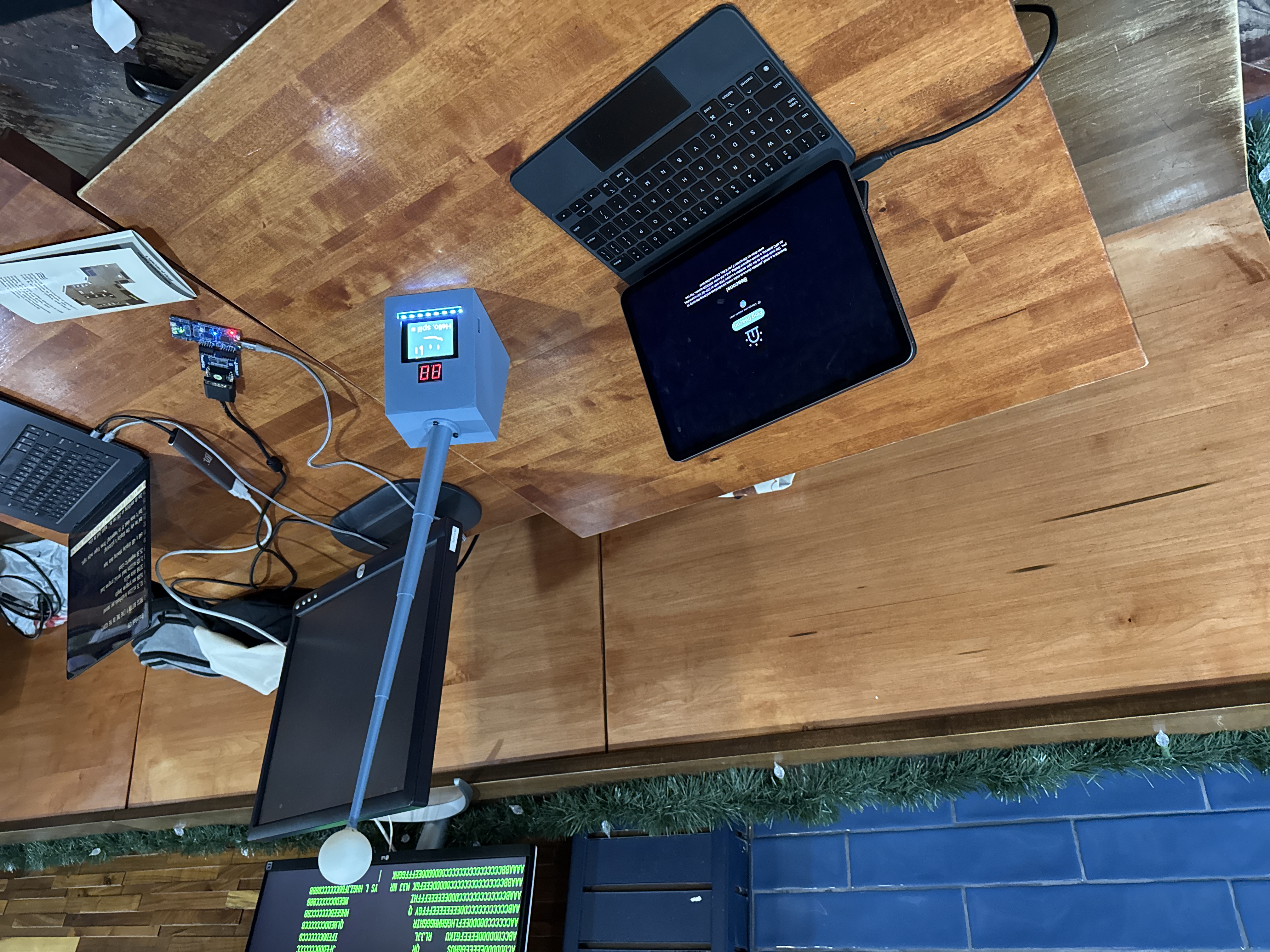
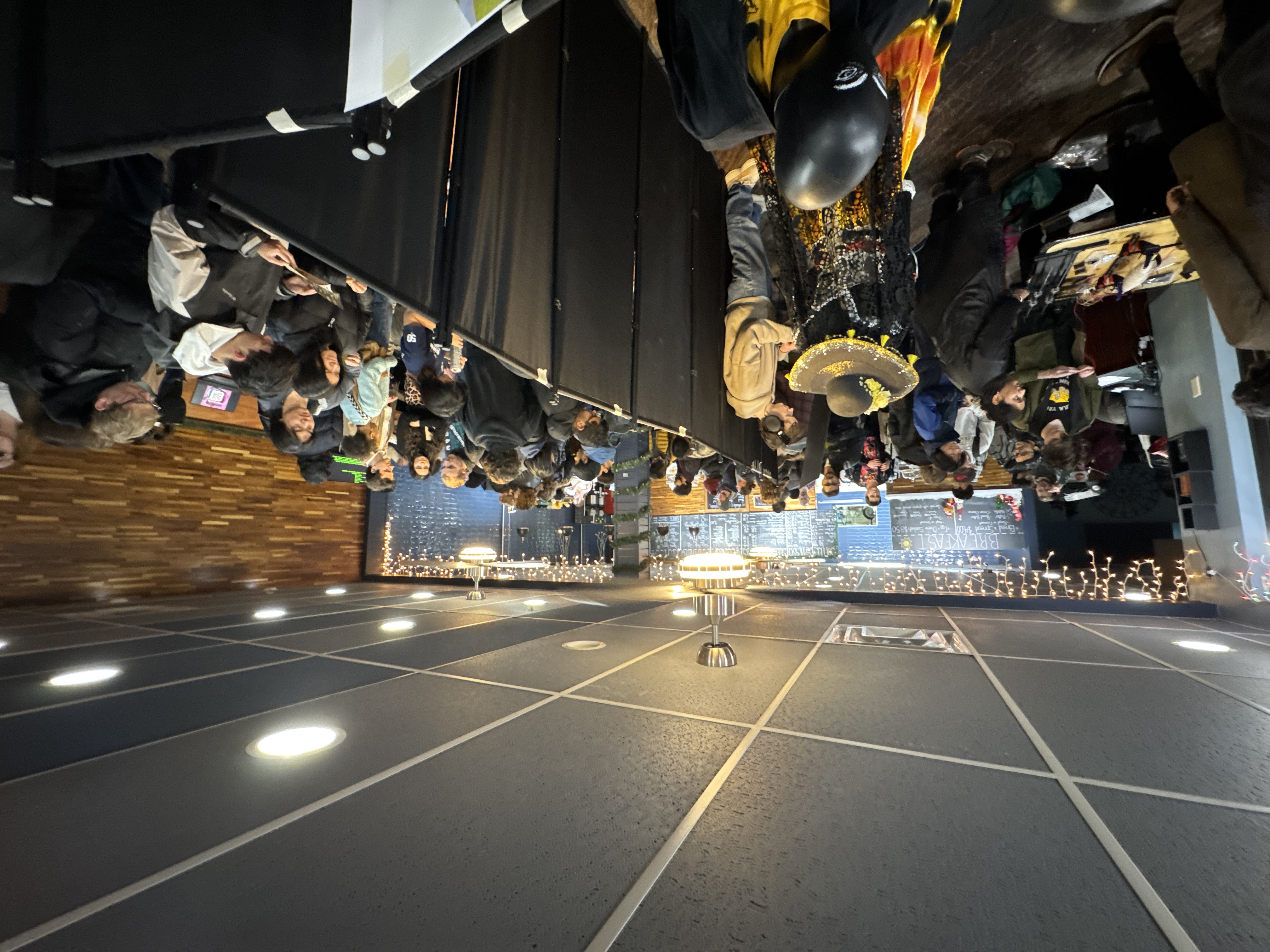
I was constantly zipping around spill ≋ doing various admin tasks and making sure things ran smoothly. I manned the ticket desk, helped with Hazel’s robotic arm installation, and talked with people at my installation. I was so excited to see people just naturally interacting with the Beacon, both because it’s something I made and because I could see what a real first interaction looked like.
BENTO 🍱
Purdue Hackers usually doesn’t do a spring event, but we decided we just had to do something for spring 2026. I had proposed BENTO 🍱 as an Apple WWDC-themed Show drawing from the “bento boxes” shown at the end of keynote segments, but we decided instead to turn it into a spring lightning talks event. I would take the lead on organizing, my first time doing so. We ended up having fifteen speakers present on a ton of different topics.
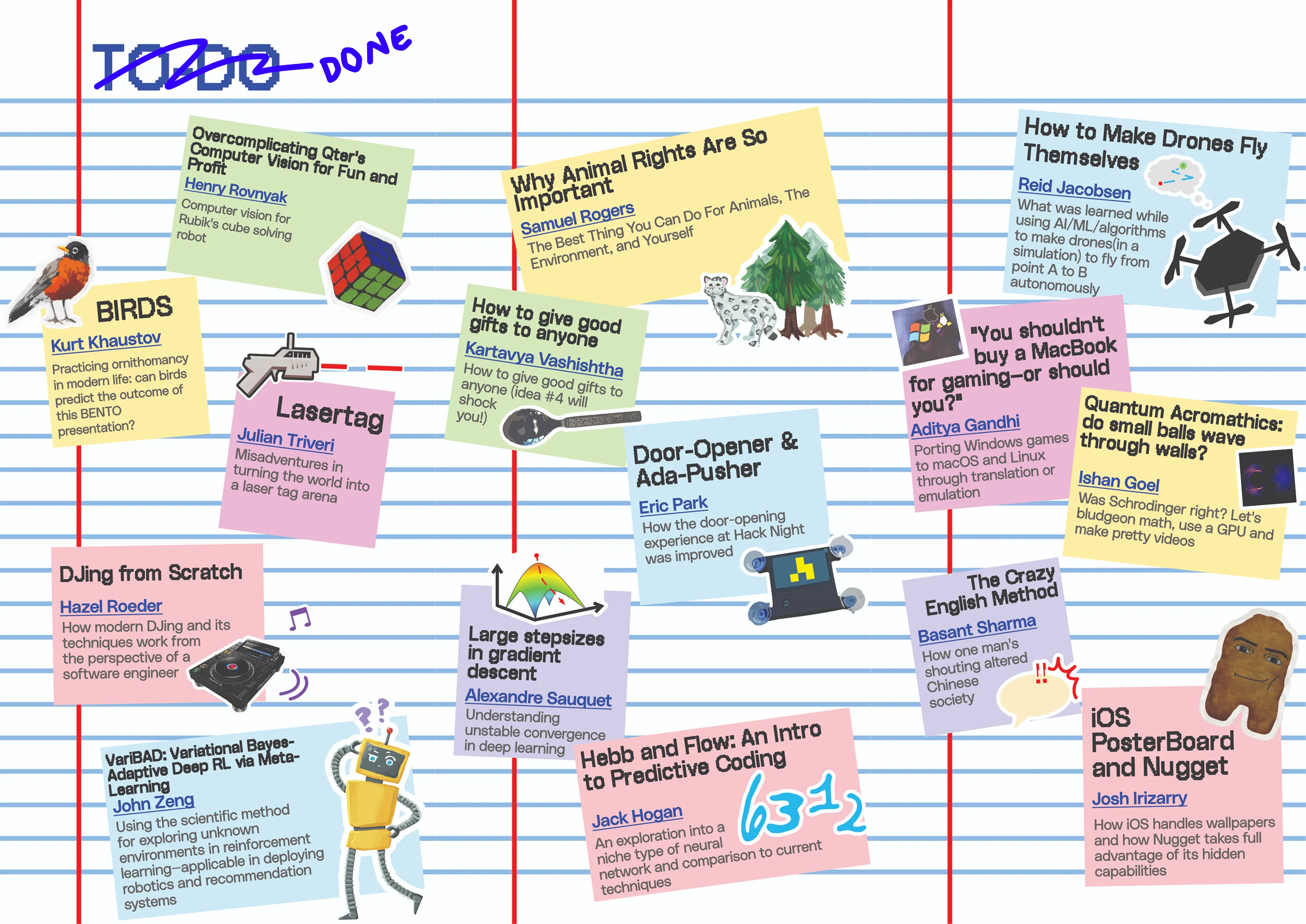
In what is a running theme for me, I had my own talk at BENTO 🍱 that I finished the week of the event. It was certainly stressful getting everything together, but I am really happy with how BENTO 🍱 came out.
Everything I’ve accomplished while at Purdue was made possible by Purdue Hackers and the amazing friends I’ve made within it. I never expected a college club to infuse me with so much fire and joy, but here I am. From my first Hack Night to my last, the energy was always there, ready to push me and everyone else to make great things.
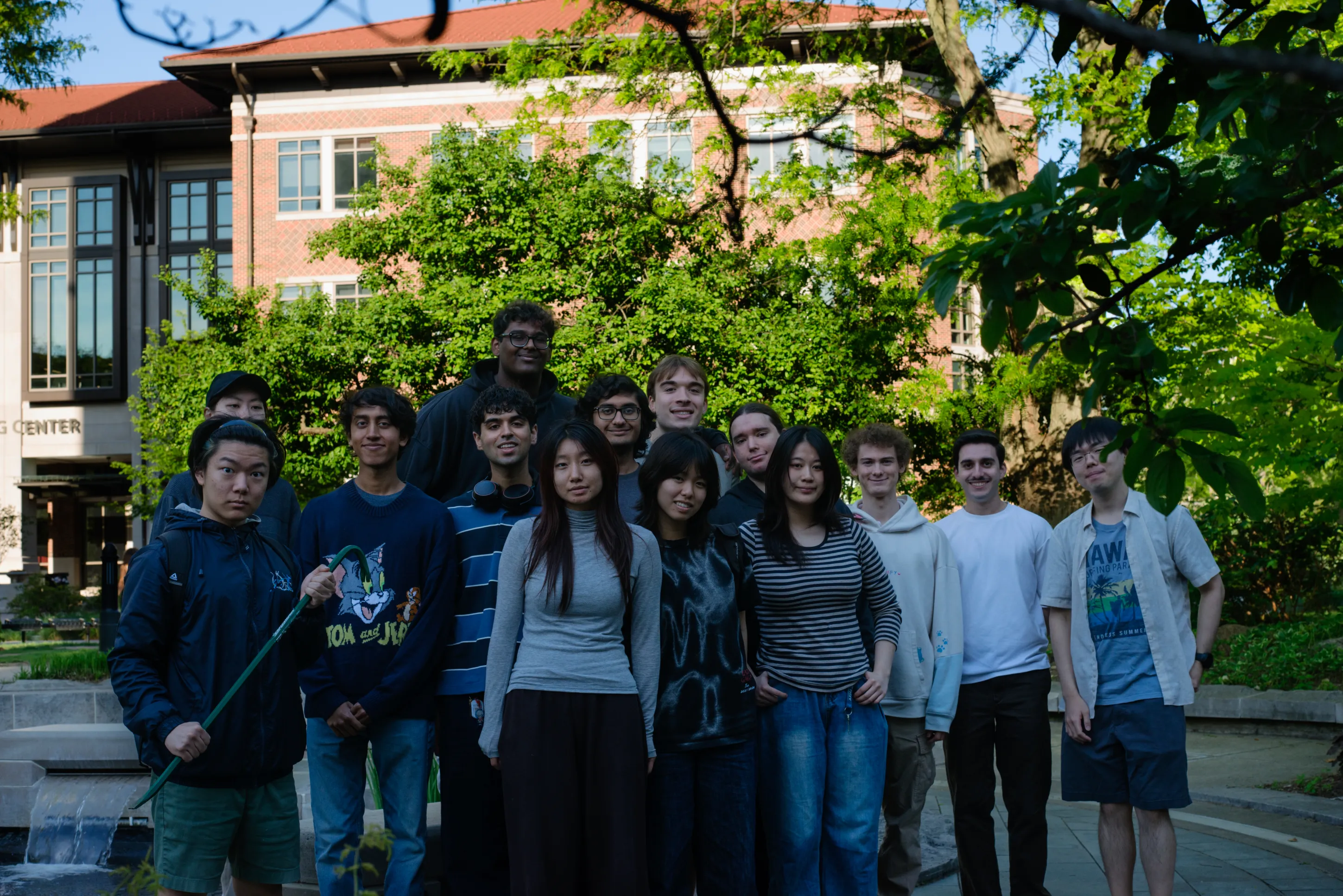
I will miss so many people at Purdue and from Purdue Hackers, which is why I’m gonna work to start a pipeline from Purdue Hackers directly to San Francisco. I want everyone to have the same opportunity to experience the wonder and reap the benefits of citizenship in the Republic of Hackerland. If you are coming to Purdue, join Purdue Hackers the second you get onto campus, or even before. Come create in the community that lovingly grew my roots and pushed me to flourish.